

Form Archive
All molds are carefully numbered and documented. The oldest surviving mold book dates back to the first production site at Albrechtsburg Castle in 1769, while the oldest model mold dates from 1734. To ensure proper management and traceability of the molds, all storage locations for items from the current assortment have been digitally recorded since 2002. This combination of centuries-old tradition, precise documentation, and modern technology continues to secure the continuity and quality of MEISSEN art to this day.
More than 700,000 Plaster Molds

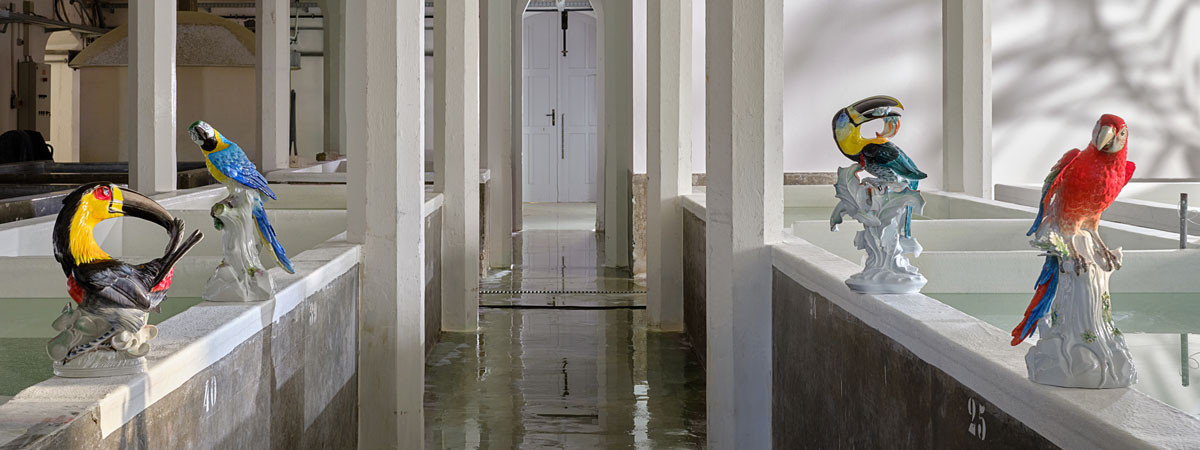
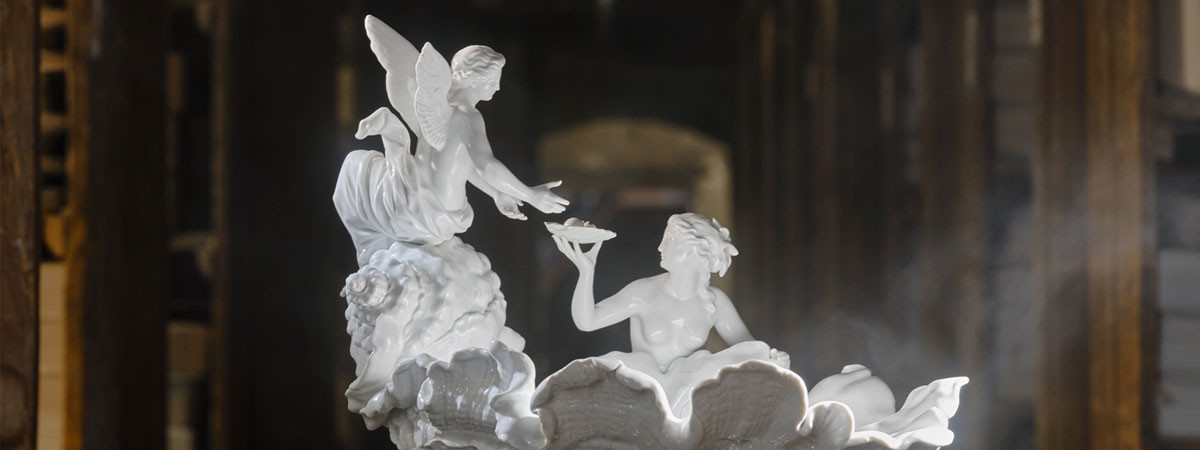
To preserve its artistic independence and remain faithful to historical originals, the MEISSEN Manufactory holds the largest and oldest collection of models and model molds in the world. This unique archive forms the heart of the porcelain manufactory and ensures that every figurine and every piece of tableware can be reproduced true to the original.
The impressive form archive houses around 700,000 plaster molds, reflecting more than 300 years of manufactory history. These molds provide the basis for reproducing approximately 9,000 figurines and around 15,000 tableware pieces, making them an invaluable treasure of MEISSEN’s artistic heritage.
Model and Working Molds

The archive distinguishes between model molds and working molds: model molds serve as faithful originals from which new working molds can be produced at any time as needed. These working molds are indispensable for actual production, since each porcelain sculpture consists of multiple individual parts that must be precisely crafted and assembled. For example, reproducing the swan by Jörg Danielczyk from 2012 alone requires 150 working molds in order to capture every detail exactly.
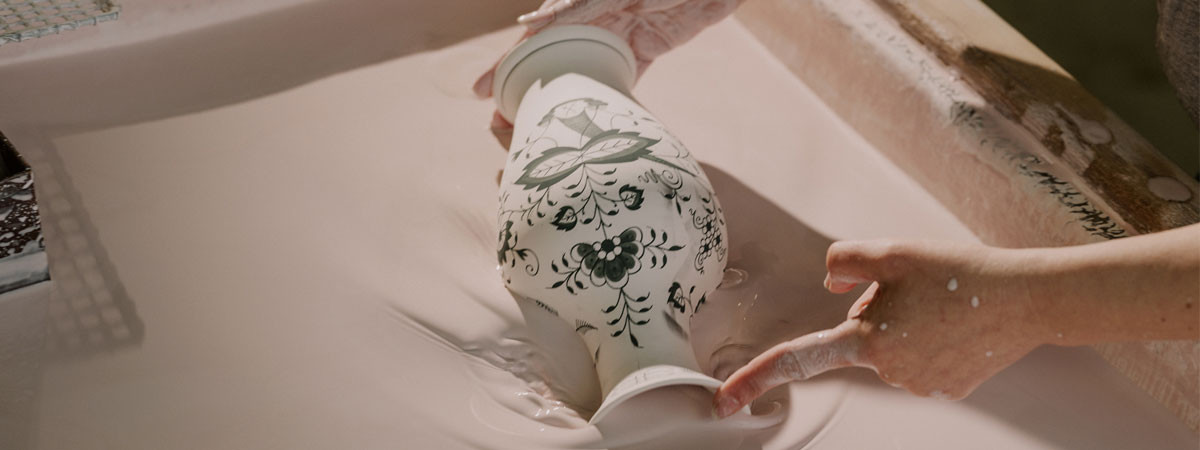
For larger or especially delicate objects such as jugs, boxes, and vases, the casting process is the preferred method.
Color Laboratory

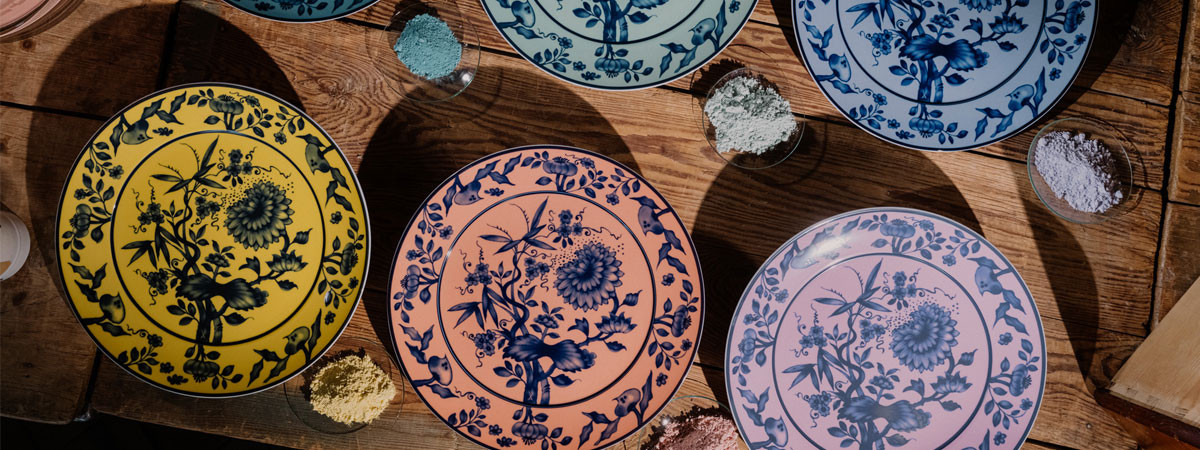
For centuries, MEISSEN’s in-house color laboratory has developed, refined, and tested its unique colors and gold preparations. The color archive contains around 10,000 carefully preserved color formulas.
Discover nowOverglaze Painting

On glazed porcelain, this painting technique reveals its full brilliance only after the subsequent color firing. The painters each specialize in specific areas of the diverse decorative palette.
Discover nowTrademark

Since 1722, the Crossed Swords from the Saxon electoral coat of arms have marked the authenticity and quality of Meissen porcelain. As Europe’s first trademark, they continue to be applied by hand to this day.
Discover now